Showing posts with label Nutrition. Show all posts

Thursday, June 4, 2015

4 Tips to Get Your Kids to Eat Vegetables

photo by Francois Carstens
If you have a child, the vegetable-eating battle is almost inevitable. You can win the war with these tips to get your kids to eat vegetables:

1. Think Outside the Carrot Stick

Eating common veggies like carrots, broccoli, and salad all the time can get boring. There is a world of extraordinary vegetables out there just waiting for you to find it. You and the kids should try new ones like Brussels sprouts, cauliflower, radishes, artichokes, red cabbage, turnips, asparagus, and collard greens. You may discover a new family favorite.

2. Buy Kid-Sized Veggies

There are so many miniature produce options these days. I find that my children are more likely to eat vegetables when they are kid sized instead of regular sized ones that I cut up small. Their favorites are mini bell peppers and cucumbers.

3. Serve Them with Dips

Raw veggies make a great snack, and dips make them even greater. Ditch the Ranch dressing and try something healthier and tastier like hummus--there are so many varieties--salsa, guacamole, all-natural peanut butter, or even cream cheese with some dill. 

4. Prepare Them Different Ways

For dinner, steaming may be the simplest and healthiest way to prepare vegetables, but it isn't very exciting. Try making a slaw or stir fry, cooking them in soups, sauteing veggies on the side, adding them to casseroles or omelets, or baking them in bread. My kids even like to eat them frozen. Be creative!

Wednesday, February 19, 2014

10 Ways to Cut Out Sugar

photo by humusak2
A blogger friend posted an article on Facebook of 25 reasons why you should stop eating sugar. Most of it was nothing new. What would be more helpful are ways to cut out sugar from our diet! Here are ten specific things you can do to start cutting back on sugar.

1. Buy all-natural peanut butter. There are only two ingredients: peanuts and salt (though you can get it salt free).

2. Eat plain yogurt, oatmeal, and cereal topped with fresh or dried fruit.

3. Buy unsweetened applesauce, fruit juices, and coconut flakes; fruit canned in fruit juice instead of syrup; and canned beans and vegetables with no added sugars.

4. Instead of adding sugar to vegetables, especially naturally sweet ones like sweet potatoes, use olive oil, balsamic vinegar, and fresh or dried herbs to season them.

5. Make your own spaghetti sauce, salsa, and salad dressings so you control the amount of added sugar.

6. Exclude sugar in your pancake and waffle batters. There's enough in the syrup! Go even further by using unsweetened applesauce as a topping instead of syrup.

7. Use less sugar in your baking. I usually cut back 10 percent the first time I make a recipe and then determine if it could work with even less.

8. Purchase original-style condiments and snacks instead of flavored or seasoned variations, such as plain cream cheese instead of strawberry. Also avoid fat-free and reduced fat versions, which have more sugar to make up for lost flavor.

9. Instead of eating candy, bring homemade trail mix on road trips or to the movies.

10. Drink more water instead of sugary drinks or drinks that require added sugars, like coffee. Even with no-sugar-added juices and fruit-only smoothies, you end up drinking more fruit than you would eat had they been whole, increasing the total intake of natural sugar. However, they are still better choices when you crave a sweet beverage.

I hope these tips help you cut out sugar from your diet! Feel free to add more tips you know.

Tuesday, March 12, 2013

Bottle Feeding Tips

photo by Adam Davis
Although I am a huge advocate of breastfeeding, I understand some mothers' need to pump or use formula. So here are helpful tips just for you bottle feeding moms!

Preparation
Did you know the World Health Organization has guidelines on how formula should be prepared? Not all formula companies follow these guidelines when writing their preparation steps, so you should read the guidelines to ensure you are preparing your formula in the safest way for your baby.

Those who bottle feed with expressed breast milk should follow similar safety guidelines, found on the La Leche League site.
 
Bonding
You can still bond with your baby although you are not nursing. During feedings, hold or wear your baby, including skin-to-skin contact with infants; sing or talk to your baby; and give your baby lots of hugs and kisses. Avoid getting convenient bottle-holding devices for feeding Baby before he or she can hold the bottle without help. They encourage overeating (and sucking air if you're not paying attention, which will give them stomach aches and gas) and discourage bonding. Also, holding your baby in your arms, which puts Baby at a slight angle as opposed to lying down, can decrease spitting up and reflux.

Eating Habits
Bottle feeders should follow the same advice as breastfeeding moms: feed your baby on demand. Don't make a set feeding schedule and don't force your baby to drink the whole bottle. Baby knows when he or she is hungry or full. If your baby is gaining weight and having plenty of wet diapers, your baby is eating enough.

Sleeping Habits
As tempting as it is to do because it works, avoid letting Baby fall asleep with the bottle. First, it will rot your baby's teeth, whether or not they are in yet. If Baby must have a bottle immediately before bed, don't allow Baby to fall asleep until after you've brushed his or her teeth. While Baby is an infant, you can simply wipe the inside of Baby's mouth with a clean, damp cloth. (I've heard conflicting information on whether or not breast milk has the same effect on Baby's teeth. I think it's better to be safe and start good oral habits early.)

Second, pediatricians advise that babies should be completely weaned from bottles by the time they are one, though you can start sippy cups as early as six months. Weaning will be easier if they are not attached to the bottle at night. If you are afraid Baby will want to fall asleep with the sippy cup, either buy the kind with a straw, which cannot be sipped lying down, or put a little bit of water in the cup instead of milk (if Baby is one or older).

Third, according to BYU Magazine, there is a 36 percent increased risk of childhood obesity for infants put to bed with a bottle. 

Do you have any other advice?

Friday, February 8, 2013

Orange You Glad

photo by Ove Topfer
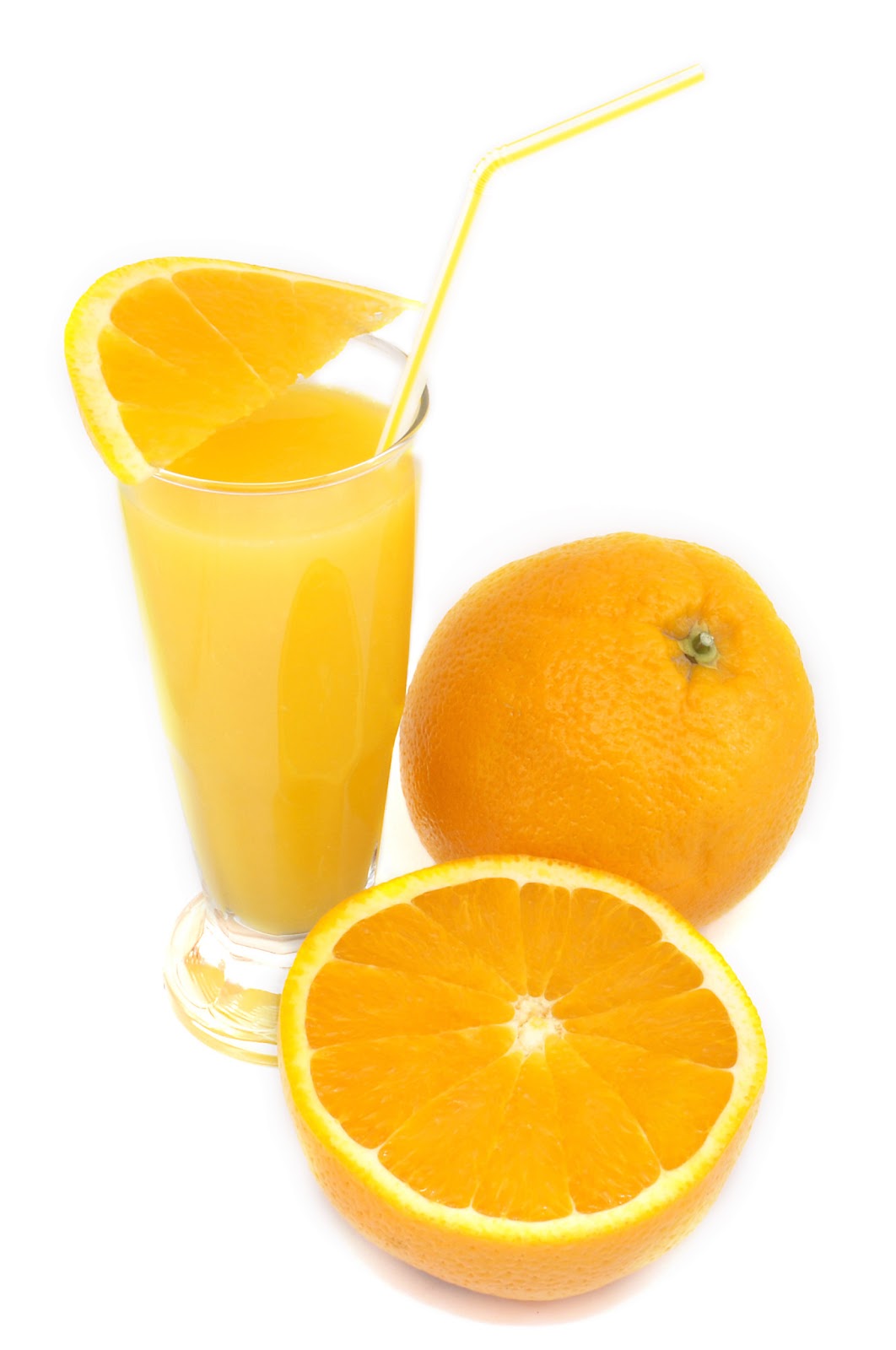
I definitely have a pregnancy food craving this time: oranges and orange juice! I eat 2-4 oranges and drink 2-5 glasses of pulpy orange juice a day! Normally I only drink 1 glass a week and only buy oranges in the summer. Now oranges always taste good, don't leave a nasty aftertaste in my mouth, and stay down. And oj comes back up sweet, not acidic, so if I eat something that I think will come back up and come back up extra gross, I will drink some oj to cancel out the taste.

This baby has me eating healthy all around too: fruit, raw veggies, sweet potatoes, squash, cashews, oatmeal. Sometimes I will eat meals, but usually I just snack. Occasionally I will want to eat something rich, but once it's in front of me, I change my mind. My normal self misses eating dessert, but my pregnant self has no desire to!

Do/did you have pregnancy cravings?

Wednesday, January 23, 2013

Dealing with Morning Sickness

If any of you are suffering from bad morning sickness like I am, here are things I've learned to help me deal with it.

Eat small servings. Eat small meals and snack in between. It's tempting to want to eat more because you're hungry or feel okay, but it's best to wait at least 15 minutes to see if the food stays down or fills you up. Don't go too long without eating either; that makes nausea worse.

Skip "sick foods." Eat real food instead: the nutrients and fiber will actually make you feel better. However, stay away from greasy, spicy, and sugary foods. Try produce low in acidity, like bananas and avocados.

Drink lots of water. Staying hydrated is key to managing morning sickness. If you have a hard time drinking, like I do, try using a straw. I also found that drinking cold water first thing in the morning before eating works best for me.

Don't overwork yourself. It's tempting to want to run errands or get a lot done when you feel semi-normal. But it will only end up making you feel worse the rest of the day. Only work 1 or 2 hours and take a break. If you still feel well later, continue working. Keep your to-do list short and top-priority only. If you work outside the home, talk to your boss about taking small 5-minute breaks to eat, sit down, stretch, or get some fresh air. Overall, it will keep you more productive and using less sick days.

Get rest! Take a nap if you need it. Go to sleep as soon as you are tired. On days I don't feel well, I get Caden ready for bed early so that I can go to sleep and all Justin has to do is tuck Caden in once he's sleepy.

Some of you may have many children and feel that these tips are impossible to follow. Ask for help from friends and family. Talk to your husband about which household chores can be skipped for a while. Cut down on activities to make earlier bedtimes easier. And don't feel guilty. You can't take care of your family if you're not taking care of yourself.

Friday, April 20, 2012

Sugar Radar


photo by Kasey Albano
I'm positive toddlers are built with an internal sugar radar. Several times in the last few months my son has seen me eat something he's never seen or eaten before but knows is sweet and delicious and will whine for some. He doesn't do that when I'm eating a fruit or vegetable he hasn't seen or eaten before. How does he know? The aroma is somewhat of a giveaway, but not all the time. Funny how he went from refusing to eat his birthday cupcake to recognizing and wanting treats.

Monday, March 26, 2012

Healthy & Yummy Toddler Snacks

photo by ramasamy chidambaram
Toddlers don't have to be as picky as they tend to be. If we feed them the right foods from the start, they will develop a taste for healthful foods. It's much easier than giving them junk food first and then trying to switch to vegetables! Of course toddlers will still have a sweet tooth, but you can satisfy their cravings with better options. Try feeding the following yummy snacks to your toddler.

Raisins and other dried fruit: Sweet and chewy and more nutritious than fruit snacks. My son's favorite is dried apricots.

Plain air-popped popcorn: I've never had a kid complain even though they've had microwave/theater popcorn.

Plain yogurt with granola and fresh fruit: Granola's sweetness will mask the tartness of the yogurt. If your child still doesn't like it, try Yoplait kids' yogurt. It has 25 percent less sugar than other kids' yogurt, no high fructose corn syrup, and no artificial colors, flavors, or sweeteners. Or make a fruit salad coated in a little vanilla yogurt.

Nuts and all-natural peanut butter: Excellent source of protein and good fats. See if they like the nuts raw and unsalted for an even healthier option. (Note: Some pediatricians recommend toddlers not eating nuts and nut products until they are two years old).

Plain tortilla chips: If you have to have junk food, choose the one with only two ingredients, one of them being a whole grain. Skip flavored chips.

Various veggies: Think outside the carrot stick. Try cucumber slices, cherry tomatoes, celery (make ants on a log using peanut butter and raisins), or cooked squash (my son likes spaghetti squash with olive oil and salt).

Fresh fruit: Introduce a new fruit every week: kiwis, pineapple, various melons, peaches, nectarines, papaya, persimmons, plums, blood oranges, pears, or olives (it's fun putting them on your fingers and then eating them).

Graham crackers: Good replacement for cookies.

Annie's all-natural shells & cheese: Tastes way better than Kraft macaroni and cheese. I like to add in mixed veggies.

Fruit juice popsicles: Freeze 100-percent fruit juice (and maybe some fruit bits too) in popsicle molds for a cold, sweet treat.

Of course, you can also continue feeding them all the healthy foods they ate as babies, found in my post Cheap and Easy Baby Food.

Happy eating!

Monday, January 16, 2012

Tips for Healthy Eating

photo by James Farmer
Just a few more ideas to get you on the road to healthy eating habits:

*Cut out unnecessary calories: eat an open-faced sandwich, drink water instead of soda, skip the mayo or ketchup, use less dressing, etc.

*Combine junk food with healthy food. For example, if you have to have chocolate, eat it in the form of trail mix or a chocolate chip granola bar. If you love whipped cream, mix it with chopped fruit.

*Expand your variety of food. Try a new vegetable, healthy snack, or grain each week. There are so many types of food out there you may have never heard of but you might like once you try them!

Saturday, January 14, 2012

How to Eat Less Food

Eliminating just 100 calories a day can make a difference in your health. Here are ways you can change your eating habits to eat less food.
  1. Leave one bite on your plate or one chip in the bag. Slowly progress to leaving more bites until you are eating 25 percent less food than before.
  2. Eat snacks out of a small bowl instead of out of the bag, and eat them one piece at a time instead of by the handful.
  3. Decide before you begin eating how much you will eat. When you eat out, divide the plate into two portions and have one portion boxed right away; use visual cues, such as grill marks, to know when to stop eating; or ruin the rest of the food by adding tons of salt or Tabasco sauce. At home, serve everyone’s portions (from the kitchen, not the table) and then put away the rest of the food.
  4. Eat when you are hungry, even if you are going out to eat in an hour. Bring a snack with you wherever you go. Ignoring hunger causes you to overeat later. Stop eating once you reach your “happy medium.” You should not feel stuffed, uncomfortable, or in pain. Eating slowly and taking breaks between servings/courses will help you get a better sense of when you are full.
  5. Our bodies sometimes confuse thirst for hunger, so drink a glass of water when you feel hungry. If you still feel hungry, then eat.
  6. Drink water before meals to fill you up a little. Other options include eating soup or snacking on fruits and veggies high in water.
  7. Eat at the table, not in front of the TV or while reading. If you must have a distraction, choose one that causes you to pause while eating, such as doing a crossword puzzle or writing an email.
  8. Serve food with smaller utensils on smaller dishes. Your eyes will see a full plate and think you are eating more than you really are. Also, eat with smaller utensils (my favorite is eating ice cream with the sample spoon--makes it last longer!).
  9. If you always like to eat seconds, serve a half portion the first time. After having seconds, you will have only eaten the amount of food in one normal serving.
  10. At buffets and potlucks, take small portions to try things first. If you don’t like it, throw it away—it’s only a little bit. If you do like it, you can get more.

Friday, December 23, 2011

Tips for Healthier Macaroni and Cheese

Every kid loves boxed macaroni and cheese. You make it because it’s easy and fast, but it isn’t very nutritious! The good news is that you can ease your conscience and satisfy your child with healthier macaroni and cheeese by doing one or more of the following ideas:
  • Use nonfat milk and half the amount of required butter to eliminate a lot of fat.
  • Add peas or mixed vegetables for some fiber.
  • Use creamed corn instead of the butter to make the macaroni and cheese creamy.
  • For protein, mix in canned tuna or low-fat chili. Adding both protein and vegetables will fill up your child faster, causing them to eat less and one box of macaroni and cheese to last a lot longer.
  • Buy all-natural, whole-wheat boxed macaroni and cheese at your local health food store.
  • Serve macaroni and cheese as a side dish instead of as the main meal to ensure your child eats less of it and more of something healthier, like a sandwich, an apple, or salad.

Tuesday, November 15, 2011

The No-Cry Picky Eater Solution Giveaway [CLOSED]

My favorite parenting author, Elizabeth Pantley, most notably known for her book The No-Cry Sleep Solution, has come out with another no-cry solution to add to her series: The No-Cry Picky Eater Solution. One piece of advice she gives is reorganizing the food in your kitchen:
What's in your kitchen? A typical home contains plenty of healthy food, along with an assortment of snacks, desserts, and less healthy fare. An adult can sift through all this and decide what's best to eat, picking healthy options and judiciously choosing the right time for and amount of junk food and desserts.Children, however, will naturally be drawn to the tastiest option, with no guilt over the resulting choice. They will open the refrigerator or pantry and pick the most appetizing thing they see.
How can you help your child make better choices? The best way is to put the healthy foods where they can be seen easily and allow your child to choose between the nutritious options in view. Place desserts and junk foods on high shelves or in opaque containers. This way you can dole out the treats when and where you feel they're appropriate.
She also emphasizes the importance of simple family mealtime, advising that "there are four things that shouldn't be brought to the dinner table: lectures, reprimands, rigid expectations, and demands for specific conversation. . . . Families that make a practice of dining together in a relaxed, pleasant atmosphere reap the most benefits."

If this book is anything like the sleep one, then I can guarantee following her counsel will result in miracles! Although Little Misters has no eating problems right now (he's picky with textures but will eat his vegetables pureed), if he ever does, this book will be the first thing I consult for answers.

Elizabeth Pantley is generously giving away a set of seven books on toddler eating and two sets of her seven No-Cry Solution books! All you need to do is blog about the book and send the link, your name, and your email address to her: elizabeth at pantley dot com. Do not comment on this post. The winner will randomly be chosen on November 30. For more information on Elizabeth Pantley and her books, check out her Web site.

Tuesday, September 27, 2011

How to Make Ramen Noodles Healthier

As much as we would love to eat healthy foods all the time, sometimes we don’t have the time or money. Ramen noodles are very cheap and quick to make, but are not very healthy. It is possible to increase their nutrition with these simple tricks.

  1. Add frozen vegetables (mixed veggies work really well) to get in a serving of fiber and to fill you up faster. Pour them in when you put in the noodles—they will heat up from the boiling water.
  2. Make your own mix of spices (such as celery seed, basil, and rosemary) instead of using the included packet, which contains an excess of sodium.
  3. To keep the meaty flavor but decrease the sodium content of the broth, boil the noodles in reduced-sodium beef or chicken broth instead of in water and throw away the packet. If you don't want the meaty flavor, use vegetable broth.
  4. Eat the noodles without any broth or packet at all. After you boil the noodles, drain the water. Rinse them in cold water and eat them cooled with just soy sauce and a sprinkling of green onion or seaweed. Or eat them warm topped with stir-fried vegetables and/or meat for a healthier meal that will keep you full longer.
  5. Add cubes of tofu to any of the ideas above as another healthy option.

Friday, August 26, 2011

Cheap and Easy Baby Food

Baby food can be expensive and making your own baby food can be inconvenient. These are some regular cheap foods that you can easily feed your baby:

Bananas. Bananas are the easiest, especially for on the go. Just mash and you're done! Easy to do at restaurants. Once your baby is older, you can just break off chunks for him or her to eat.

Unsweetened applesauce. Regular applesauce is great for babies advancing to more textured foods (baby applesauce is very smooth). And there is no added sugar.

Avocados. Simply mash for a creamy, good-fat snack. Warning: makes stringy poo!

Dry cereal: The best and cheapest cereals to get are the store brand of Cheerios and Rice or Corn Chex.

Puffed rice. You can find a large bag of puffed brown rice in the cereal aisle for $1 at Walmart. It will last you a long time! And there is only one ingredient in it: rice. I have seen puffed red wheat too.

Sweet potatoes. Just mash (no skin) after cooking and cooling. The texture is also good for older babies.

Mashed potatoes. Scrub a potato, poke holes in it, and microwave until soft. Scoop out the flesh and mash with breast milk or butter.

Canned or frozen peas. Peas are very easy to mash and pick up if your baby self-feeds. Canned peas are smaller and softer, but frozen peas do not contain added salt or sugar.

Canned beans. Beans are a great source of protein and fiber and, like peas, are easy to mash or self-feed. (Note, most canned beans contain added salt and/or sugar, but some have high fructose corn syrup.)

Rice. Make mushy rice (or puree it) for younger babies. Mix in some beans for older ones for a full protein meal.

Oatmeal: Chop it up in a food processor for a finer texture and make it mushy. Add small chunks of fresh fruit. Just be sure not to add honey.

Tofu: Tofu is easy for babies to eat and comes in different textures. It can also be smashed and added to any other food because it is bland and absorbs flavor very well.

Cheese: Shredded cheese is easy to pick up and eat for babies who don't like to chew. The thin shreds melt in their mouth.

Plain yogurt. No need to buy special baby yogurt. Plain yogurt is healthiest and cheapest. Mash in fresh fruits for a sweeter taste without added sweeteners.

Bread. Break up whole wheat bread or toast into small pieces. My favorite brand is Nature's Pride: 100 percent whole wheat, no artificial colors or flavors, no preservatives, and no high fructose corn syrup. And it still tastes good. Another good one is Nature's Own.

Tuesday, August 9, 2011

Chocolate Cravings

Often I crave chocolate. And not just any kind of chocolate. Sometimes it's ice cream, other times a candy bar, and yet other times cake. While my palate is pleased when I satisfy those cravings, my tummy is not. Here are some of my favorite healthier ways of getting my chocolate fix:

    Kashi TLC fruit & grain bars. My favorite kind is dark chocolate coconut.


Weight Watchers snack-size chocolate fudge ice cream bars. (Two snack-size bars have less calories than one giant bar.)


Trail mix with M&Ms. Nuts are an excellent source of protein, calcium (almonds), omega-3 (walnuts), and healthy fats.


Fiber One 90-calorie brownies. They could be moister, but the icing and chocolate chips are great!


Other options are Chocolate Cheerios and Chocolate Special K. I haven't tried either one (and don't care to, especially the Special K one--hate their products!). What are your favorite healthier ways to satisfy your chocolate cravings?

Monday, July 25, 2011

How to Save Money and Lose Weight by Going Green


photo by Michael Lorenzo
There are ways you can save money. There are ways you can lose weight. There are ways you can go green. But all three at once? Yes, you can kill three birds with one stone: go green and in the process also save money and lose weight!

  1. When circumstances allow, walk or ride a bike to places that are within a couple miles, such as the library, post office, or elementary school. You will lose weight from walking or biking, save money on gas, and lessen bad chemicals in the air. You will also get to enjoy the outdoors: the sights and sounds of nature, the beautiful sun and clouds—even in the city!
  2. Once a week, with family or friends, pick up trash along a busy road or highway. You will not only make the road cleaner and the soil healthier, but you will probably get a mini workout as well from all the walking, bending, and hauling. And you may be able to make some pocket change by taking cans and bottles to a recycling center.
  3. Plant an organic garden. Eating fresh, clean produce will encourage you to eat healthier and thus lose more weight. Also, gardening is a great way to burn calories and include the whole family in hard labor. Plus you’ll save money by growing your own organic fruits and vegetables instead of buying highly priced ones at the store.
  4. Use eco-friendly cleaning products when you clean your house. To save money, make your own eco-friendly cleaning products or use simple products like vinegar. Clean to some upbeat music for a fun and productive exercise.
  5. Get your family involved in free or inexpensive outdoor activities—such as hiking, bird watching, or picnicking at a park—instead of going to the movies and consuming buttery popcorn and sugary soda. Being outdoors promotes exercise and play, saves money, and helps you appreciate nature more.

Friday, May 20, 2011

What Do Your Groceries Say about You?

photo by Cindy Kalamajka
When I go shopping, I like to look in people's shopping carts. What they buy reveals details about their lives: children, no children, healthy, unhealthy, accomplished chef, rushed cook, etc. I like to think that what I buy reflects good qualities about myself and a balanced life. I like making semi-homemade meals and cooking completely from scratch. I like to eat healthy, but I enjoy a little junk food too. I care about saving money, but I have some brand loyalties.

Here are my top five grocery purchases and what I think they say about me:
  1. Water: I drink nothing but water! I'm not much of a drinker in general and I don't like soda, so when I do drink, it's always healthy.
  2. Whole wheat bread: I am not afraid of carbs, but I make sure they are whole grain. Of course, I love getting an Italian loaf every now and then.
  3. Fresh produce: I grew up in Southern California, so I was spoiled all year round. I love tomatoes. I buy carrots for a healthy snack, especially for my husband. We put onions in everything. Our favorite fruits are oranges and strawberries.
  4. Rice: My husband's half Japanese and I'm half Puerto Rican, so rice is pretty much a staple here. I buy all kinds: brown, white, and Asian.
  5. Chicken: I grew up on poultry and seafood. My husband is from Wisconsin, a huge beef eater and a fish hater (I guess that Japanese part of him never developed). I've compromised and incorporated ground beef into my diet (it's the only red meat I know how to handle), but we eat mostly chicken. I prefer dark meat, he prefers white.
What are your top five groceries and what do they say about you?

Thursday, March 10, 2011

Start Healthy Habits with Your Baby

This post is an excerpt from the article "First Foods" in the spring/summer 2010 issue of Baby & Toddler.

Here's good nutrition news: Infants are being breastfed longer, and fewer babies and toddlers are eating sweets than earlier in this decade. The bad news: Many toddlers aren't eating a single serving of vegetables or fruit on any given day and are consuming too much saturated fat. So says the 2008 Feeding Infants and Toddlers Study (FITS), a report on eating habits of 3,378 children age 0 to 4 years. More highlights of the report:

photo by Francois Carstens
>> Seventeen percent of 6- to 8-month-olds had a sugary drink or sweet on a given day versus 36 percent in 2002. Among 9- to 11-month-olds, it was 43 percent in 2008 and 59 percent in 2002.
>> Fourteen percent of 12- to 14-month-olds consume sugary drinks; 29 percent of 18- to 20-month-olds do.
>> Twenty-five percent of older infants and toddlers don't eat a single serving of fruit on a given day; 30 percent don't eat a serving of vegetables.
>> Twenty-three percent of 12- to 14-month-olds and 33 percent of 3- to 4-year-olds have diets that comprise less than the recommended 30 to 40 percent of calories from fat; 75 percent of preschoolers are getting to much saturated fat.

Experts conclude that more vigilance is needed during the transition from breast milk and baby foods to table foods. "This has to do with parents' eating habits," says pediatrician Alanna Kramer, MD, of St. Christopher's Hospital for Children in Philadelphia. "If mom and dad are eating well, kids will, too." The foods you serve your child now lay the foundation for his eating habits for the rest of his life. Here's how to start your baby's diet off right. . . .

Offer veggies before fruits. "If a baby is exposed to the sweetness of fruits first, she may not like vegetables the first time," says Hotle [a pediatric dietician at Vanderbilt Children's Hospital in Nashville]. Good starter vegetables include green beans, sweet potatoes, and peas. Eight- to 9-month-olds can start eating pureed meats.

Mix solids with breast milk. A study in Pediatric Research found that breastfed infants showed increased acceptance of new foods when they were mixed with mom's milk. Combine it with veggies, fruits and meats as well as cereal.

Avoid sugary foods entirely. Infants less than 1 year old should not consume soda, juices or desserts. . . .

1-2 Years

. . . According to the FITS report, French fries are still the most popular "vegetable" in this age group, while as many as 30 percent of all toddlers don't eat any vegetables at all! . . . "It's a reflection of how the adults around them eat, " explains pediatric dietitian Ashley B. Hotle. To get your toddler (and you!) on the right diet track, heed these guidelines:

Dish up a fruit and a vegetable at every meal. You can go the stealth route by chopping spinach into pasta sauce and pureeing cooked broccoli, carrots or cauliflower into a dip served with crackers. But you don't have to! A study in the journal Food Quality and Preference found that you need to serve a spurned vegetable nine to eleven times before a child will accept it. Nine months after the study, the toddlers were still eating the initially disliked veggie. The lesson? Don't give up after just one or two attempts.

Serve healthy fats. The FITS found that 1- to 2-year-olds were not getting enough good fat in their diets. "Toddlers need fat for brain and eye development," says Hotle. "If the fat content of their diet is too low, it probably means they're getting too much energy from juice and processed carbs." Good fats at this age include oily fish, avocados, nut butters, meat and whole milk. Switch your child to 2 percent milk when he is 2 to 3 years old.

Involve kids in the process. "Toddlers will be more excited about eating food if they help you pick it out at the store or help you prepare it in the kitchen," says pediatrician Alanna Kramer.

Limit sweets. Treats should be just that--not a daily event! Do not serve dessert regularly, and keep juice intake to 4 ounces daily. "Water and milk are what their bodies need," stressed Kramer.

[Sidebar]
The prevalence of food allergies in children under 18 years old increased 18 percent from 1997 to 2007, according to a new study in Pediatrics. Wait until your child is at least 1 year old to introduce the most allergenic foods: milk, eggs, nuts, wheat, soy, and shellfish---unless there's a family history of food allergies, says Alanna Kramer, MD. In that case, wait until he's 2 or 3. . . . The good news: Most kids outgrow food allergies by the time they're 4 to 5 years old.

--Nancy Gottesman
Related Posts Plugin for WordPress, Blogger...